
What Patio Furniture Lasts Through All Weather Conditions?
 If you’re tired of replacing warped chairs and rusted tables every couple of years, you’re asking the right question. The good news: truly durable outdoor furniture exists, and it can stay outside year-round without falling apart, even when exposed to extreme conditions like high temperatures, intense sunlight, and harsh weather.
The materials that genuinely withstand all weather conditions include properly built teak, high-density polyethylene (HDPE), and poly lumber, powder-coated aluminum, marine-grade stainless steel, and high-quality all-weather wicker. Ideal outdoor furniture is designed for durability, weather resistance, and low maintenance, making it capable of surviving everything from heavy snow to scorching desert sun to salty coastal air.
Quick Answer: The Patio Furniture Materials That Truly Last Outdoors
Here’s a breakdown of what works best for different climates:
Cold and snowy climates:
-
HDPE/poly lumber (top choice, impervious to moisture and freeze-thaw cycles)
-
Marine-grade stainless steel frames
-
Quality all-weather wicker on aluminum frames
Hot and sunny climates:
-
Teak wood (naturally heat-resistant with protective oils)
-
HDPE/poly lumber (UV-stabilized, won’t warp or fade)
-
Powder-coated cast aluminum
-
HDPE wicker furniture
Wet and coastal climates:
-
HDPE/poly lumber (won’t absorb salt or moisture)
-
Marine grade 316 stainless steel
-
Well-sealed teak furniture
The pattern is clear: cheap wood, thin steel, and low-grade plastics usually fail within a few seasons. Meanwhile, well-built patio furniture using these premium materials can last 15–25+ years with basic care; some teak pieces have been documented lasting over 50 years.
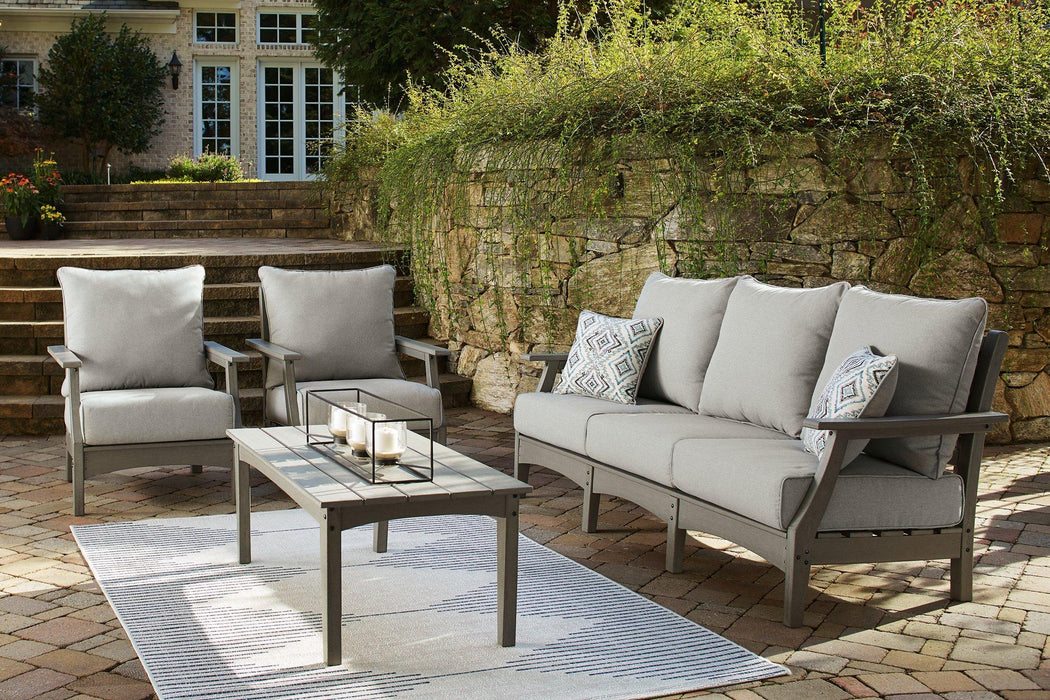
How Weather Destroys Ordinary Patio Furniture
Understanding what “all-weather” actually means requires knowing what your outdoor furniture is up against. It’s not just rain or snow; it’s a constant assault from multiple environmental forces working together to break down materials.
Here’s what destroys ordinary outdoor patio furniture:
-
UV rays break down low-grade plastics and cheap fabrics, causing visible fading and structural brittleness within 1–3 summers. The sun is relentless, and materials without proper UV protection simply can’t withstand its effects.
-
Moisture and snow cause rust in iron and low-grade steel within months. For poor-quality wood, water absorption leads to rot, swelling, mold, and mildew growth that compromises both appearance and structural integrity.
-
Freeze-thaw cycles in temperate and northern regions (where temperatures drop to 15–40°F with repeated melting and refreezing) crack paint, finishes, and joints. When water freezes inside wood grain or between frame connections, it expands and causes irreversible damage.
-
Extreme heat in desert climates (regularly above 100°F) warps vinyl furniture, overheats dark metal surfaces to uncomfortable temperatures, and dries out untreated wood until it cracks and splinters.
-
Salt air in coastal areas accelerates corrosion on metal furniture and degrades finishes far faster than inland exposure.
-
Windy conditions stress joints and connections, and lightweight furniture can become airborne during storms, causing damage to the pieces themselves and surrounding property.
The rest of this guide focuses on materials and construction methods that specifically resist these destructive forces, so your outdoor space remains functional and attractive through every season.
Start With Quality: Build and Craftsmanship Matter More Than Labels
Material alone won’t save poorly constructed furniture. A teak chair with weak joints will fail faster than a well-engineered aluminum set. Conversely, truly all-weather pieces with durable construction can remain outdoors for decades with minimal maintenance.
Here’s what separates furniture that lasts from furniture that disappoints:
-
Fully welded vs. bolted metal frames: Continuous welds create a unified structure that resists loosening and prevents water from seeping into connection points. Spot welding or flimsy bolts eventually work loose as materials expand and contract through temperature changes.
-
Proper wood joinery: Traditional mortise-and-tenon joints in teak and other hardwoods significantly outperform simple screws in flex tests. Screws loosen over time as wood naturally expands and contracts with humidity changes.
-
Rust-proof hardware: Every bolt, screw, and connector should be stainless steel, coated steel, or brass. A single unprotected iron screw can create a rust streak that spreads across an entire frame.
-
Multi-stage powder coating: High-quality powder-coated finishes involve cleaning, priming, and baking, creating a finish that lasts 10+ years. Cheap spray paint chips within one or two winters, exposing the metal beneath.
-
Weight and balance: Heavier, well-balanced outdoor furniture handles strong winds without tipping during storms. Lightweight furniture that blows across your patio isn’t just inconvenient: it sustains damage with every impact.
Look for pieces rated for 10–20+ years of outdoor use. Quality manufacturers typically offer multi-year structural warranties (often 3–5 years minimum, with premium brands offering 10–15 year coverage). If a warranty only covers one year or excludes weather damage, that’s a red flag.
The Most Weather-Resistant Frame Materials
The frame is the backbone of any piece of patio furniture. It determines whether your investment can safely stay outside year-round or requires constant protection and eventual replacement.
Let’s examine each material category in detail, with real-world performance data from different climates.
All-Weather Champion: HDPE / Poly Lumber Furniture
High-density polyethylene, commonly called poly lumber or HDPE furniture, represents one of the most genuinely all-weather options available today. Made from dense recycled plastics, it’s engineered specifically for permanent outdoor exposure.
HDPE is non-porous, meaning it absorbs zero water. This single characteristic makes it incredibly durable in climates where other materials fail. Without water absorption, there’s no swelling, no rot, no cracking from freeze-thaw cycles, and no environment for mold or mildew to grow.
Testing data shows HDPE retains 95% of its tensile strength after five years of continuous exposure to Florida’s sun-rain cycles. That’s not marketing; it’s measurable performance. Weight capacities typically reach 350 pounds per chair, making these pieces both sturdy and functional.
UV-stabilized pigments are molded throughout the material (not just applied to the surface), keeping colors from fading significantly even after 10–15 years of direct sun exposure. This makes HDPE an ideal choice for hot climate regions where UV damage destroys other plastics within a summer or two.
Salt, moisture, and insects have no effect on HDPE. Coastal and lakeside locations that quickly corrode metal furniture and rot wood won’t impact poly lumber at all.
Quality HDPE pieces are heavy enough to resist wind yet require almost no maintenance beyond occasional washing with soap and water. When paired with marine-grade stainless hardware, longevity of 20+ years outdoors, year-round, uncovered, is realistic and well-documented.
You can leave HDPE outdoor furniture outside in all seasons without protective covers, though covers still help keep surfaces cleaner between uses.
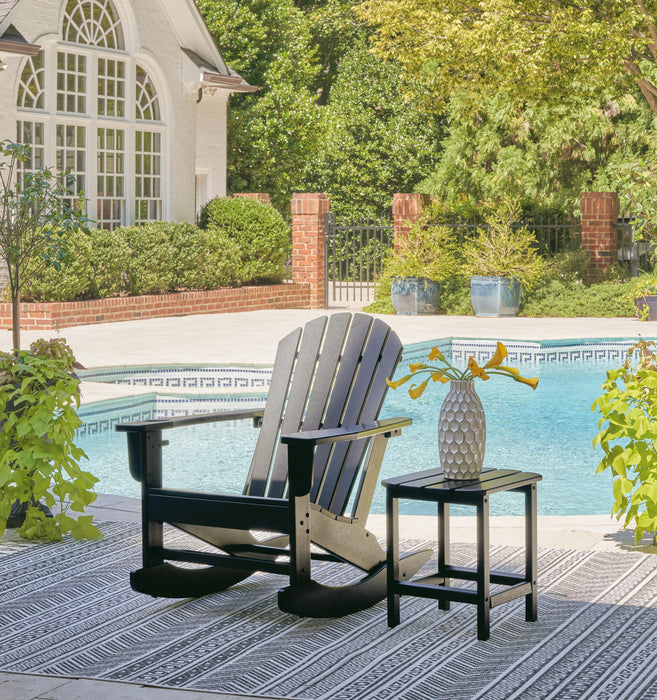
Durable Classic: Teak and Other High-Quality Outdoor Woods
Not all wood is created equal for outdoor use. While cheap pine furniture from big-box stores might last a season or two, dense hardwoods like teak have a proven track record spanning generations.
Teak wood contains natural oils, up to 40% more than many other hardwoods. These oils create a hydrophobic barrier that actively resists water penetration, rot, decay, mold, mildew, and insect infestation. This is why teak furniture thrives in humid and coastal environments where other woods quickly fail.
The distinction between grades matters significantly. High-grade, kiln-dried teak with tight grain and minimal knots performs dramatically better than lower-grade pieces containing sapwood or excessive knots. Premium teak furniture uses mortise-and-tenon joinery that outperforms screwed connections in durability testing.
One characteristic of teak surprises new owners: under UV exposure, untreated teak transitions from golden brown to silver-grey within 6–24 months. This weathering is purely cosmetic and doesn’t reduce structural strength; many owners actually prefer the aged appearance. If you want to maintain the original golden color, periodic oiling (annually or biannually) does the job.
In snowy or extremely dry climates, teak can remain outdoors year-round. It benefits from occasional cleaning and optional sealing treatments, but doesn’t require them for structural integrity.
Other hardwoods marketed as outdoor-safe, including acacia and eucalyptus, can work outdoors but generally require more maintenance and are less forgiving than teak in extreme weather scenarios. They’re best suited for covered or semi-covered locations.
Avoid softwoods and generic “wood patio sets” for true all-weather use. These typically fail within a few winters due to moisture absorption and freeze-thaw damage, regardless of any “weather-resistant” labels.
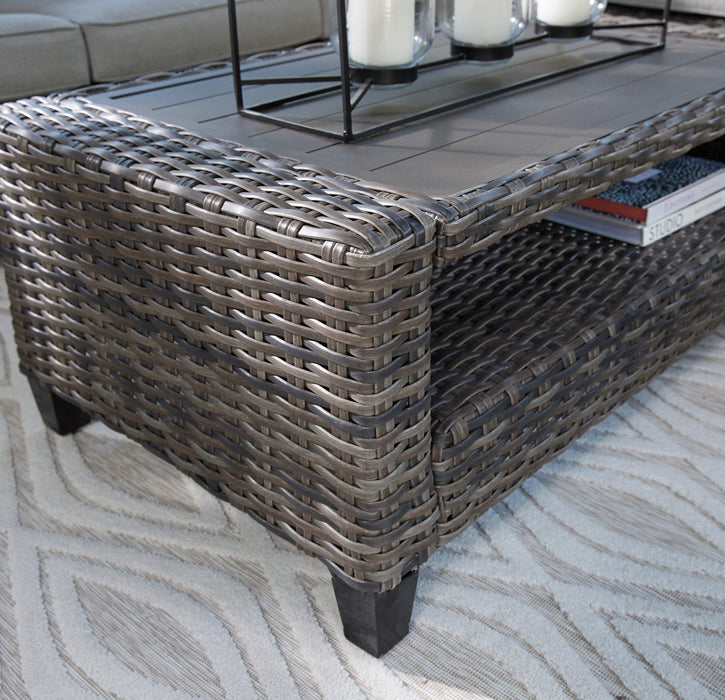
Rust-Resistant Metals: Powder-Coated Aluminum
Aluminum has become one of the most popular frame materials for modern outdoor furniture, and for good reason: it simply doesn’t rust, handles significant temperature swings without structural issues, and remains lightweight enough for easy rearrangement.
Two main types dominate the market:
Cast aluminum is solid metal, often used for ornate, traditional designs. It’s heavier and extremely durable, though it can dent under severe impact.
Extruded aluminum uses hollow tubing, making it excellent for modern, lightweight furniture designs. When thick-gauge tubing is fully welded, it’s remarkably strong despite its reduced weight.
Aluminum naturally forms an oxide layer that prevents further corrosion, a process called passivation. Adding a high-quality powder coat finish provides additional protection against oxidation, chipping, and fading, creating a barrier that can last 10+ years before showing wear.
Performance across climates:
In cold temperatures and winter months, aluminum won’t crack from freezing. However, bare aluminum can feel uncomfortably cold to touch in winter weather, so cushions are recommended for seating comfort.
In hot climate regions, aluminum can heat up significantly in direct sunlight. Lighter colors reflect more heat, and breathable fabrics on seating surfaces help maintain comfort.
In coastal climates, quality powder-coated aluminum performs well as long as the finish remains intact. Occasional rinsing removes salt deposits before they can cause any issues.
For pieces intended to stay outside year-round, look for thick-gauge aluminum, fully welded frames, and multi-layer powder coating with proper surface preparation.
For Extreme Environments: Marine-Grade Stainless Steel
Stainless steel offers the most durable outdoor furniture frames for situations requiring maximum strength and longevity. It’s heavier and more rigid than aluminum, with superior load-bearing capacity for heavy-use pieces like dining sets.
The grade of steel matters enormously:
304 stainless steel is suitable for many inland areas with moderate weather exposure. It’s the standard grade for quality outdoor metal furniture and resists corrosion well in typical conditions.
316 marine-grade stainless steel is specifically engineered for coastal, high-salt environments. The added molybdenum content prevents pitting corrosion that salt air causes in standard stainless steel. Testing per ASTM B117 standards shows 316 stainless exhibits corrosion rates under 0.1 mm/year even in 3.5% saline spray conditions, essentially negligible over a furniture’s lifetime.
Even quality stainless steel can develop surface oxidation that looks like rust if not occasionally cleaned, particularly in humid or salty air. This is typically cosmetic and easily removed with appropriate cleaners.
For windy, storm-prone areas, the weight and rigidity of stainless steel frames significantly reduce movement and tipping. Hurricane-prone regions like Florida see aluminum and stainless furniture withstand 150+ mph winds when properly weighted.
Powder-coated stainless steel adds an extra corrosion barrier and allows for more color options beyond the standard metallic finish.
When stainless frames are paired with weatherproof slings or cushions, they can remain outdoors year-round with minimal care. Periodic rinsing is particularly important near the ocean to remove salt deposits.
All-Weather Wicker and Woven Rope (Synthetic)
Modern wicker furniture for outdoor use isn’t your grandmother’s natural rattan; it’s synthetic resin (typically HDPE or similar polymers) designed specifically to resist weather conditions that destroy organic materials.
Quality all-weather wicker uses thick, UV-stabilized, solution-dyed fibers that resist fading and cracking even under intense sun. Testing shows premium synthetic wicker maintains color stability up to 98% after 1,000 hours of UV exposure, a level natural wicker can’t approach.
The hidden frame beneath the weave determines long-term durability more than the wicker itself. Look for fully welded, powder-coated aluminum or stainless steel frames. Cheap wicker furniture often fails because the frame rusts or corrodes beneath the attractive exterior, causing structural collapse while the wicker itself still looks fine.
Synthetic wicker furniture is generally safe to leave out in rain, snow, and sun indefinitely. However, cheap PVC or low-grade plastic imitations become brittle in cold and chalky in heat, sometimes within a single season. The price difference between quality HDPE wicker and cheap imitations reflects real performance differences.
Woven rope furniture made from modern marine-grade synthetics shares similar weather resistance when UV-stabilized and properly tensioned on quality frames.
One important consideration: cushions used with wicker and rope furniture should be made from outdoor-rated foams and fabrics. Otherwise, the frame may outlast the soft components by many years, leaving you with structurally sound furniture that’s uncomfortable to use.
Materials That Struggle in All-Weather Conditions
 Some materials look appealing in showrooms or carry attractive price tags, but simply aren’t suitable for year-round outdoor exposure without significant protection and frequent replacement.
Traditional and untreated wood (pine, generic softwoods, low-grade hardwoods) absorbs water readily. In regions with repeated freezing and thawing or heavy rain, this leads to swelling, warping, cracking, and rot. A timber chair that looks perfect in spring can be unusable by the following winter.
Iron and low-grade steel frames rust quickly once paint chips or welds become exposed. In snowy environments where salt is used on nearby walkways, or in coastal areas with salt air, corrosion can progress from minor surface rust to structural failure within a few seasons.
Thin, hollow, bargain-priced steel furniture might last only 2–3 seasons before corrosion or joint failure makes it unsafe. The initial savings rarely justify the replacement costs.
Low-quality plastics and resins without UV stabilization fade dramatically within a summer or two. In cold temperatures, these materials become brittle and can crack under normal weight loads. The bright white chair you bought in May might be yellowed, chalky, and cracked by the following spring.
These materials aren’t completely worthless; they can work for covered porches, seasonal use with indoor winter storage, or situations where frequent replacement is acceptable. But for true “leave it outside all year” performance, they’re not the answer.
All-Weather Fabrics and Cushions: The Often-Overlooked Component
Even the best metal furniture frame becomes uncomfortable without proper cushions and fabrics, and those soft components face the same environmental challenges as frames. A $2,000 seating set with cheap cushions will feel like a poor investment within two summers.
Here’s what separates all-weather fabrics from indoor textiles:
-
Solution-dyed fabrics (acrylic or olefin) have color integrated throughout the fiber, not just applied to the surface. This dramatically improves fade resistance, and the material naturally resists mold and mildew growth. Standard indoor fabrics lack these properties and deteriorate quickly outdoors.
-
Quick-dry reticulated foams with breathable mesh bottoms allow water to drain rather than trapping moisture inside. Traditional foam cushions absorb water and become breeding grounds for mold, creating musty odors and health concerns.
-
Sling and mesh seating offers a low-maintenance alternative that dries within minutes after rain and doesn’t require separate cushions. For your backyard in rainy climates, this can be the most practical approach.
Even with quality fabrics, cushions last longer in heavy-rain or snowy climates when stored or covered during extended periods of non-use. The frames can stay outside; the cushions benefit from protection.
Practical maintenance tips:
-
Brush off debris and leaves regularly to prevent staining
-
Clean occasionally with mild soap and water
-
Allow cushions to dry fully after storms before stacking or storing
-
Stand cushions on edge when drying to allow airflow on both sides
Climate-Specific Recommendations: Matching Furniture to Your Weather
“All-weather” is relative. The best choice for a Minneapolis backyard differs from what works best in Phoenix or Miami. Here’s how to match your furniture selection to your specific conditions.
Cold and Snowy Climates
If you live where winter months bring extended periods below freezing, frequent snowfalls, and the dreaded spring thaw cycle with repeated freezing and melting, your furniture faces unique challenges.
HDPE and poly lumber emerge as the clear winners here. They shrug off moisture completely. When water freezes inside other materials, it expands and causes damage. With HDPE, there’s simply no water to freeze.
High-quality synthetic wicker on aluminum frames works well if you store or cover the cushions during winter. The frames themselves can handle snow and ice without issue.
Well-built teak furniture can remain outside through winter, though it will weather to grey more quickly in harsh conditions. Periodic cleaning in spring helps maintain appearance.
Avoid traditional wood and cheap metal sets entirely. Warping, cracking, and rust typically appear after just a few winters, making these poor investments for cold climates.
Practical tips for snowy regions:
-
Brush off heavy snow accumulation to prevent excessive weight stress
-
Use breathable covers to minimize dirt accumulation and prevent ice from bonding directly to surfaces
-
Check hardware in spring and tighten any connections loosened by temperature cycling
Hot, Sunny, and Desert-Like Climates
Intense UV exposure, high daytime temperatures regularly exceeding 100°F, and low humidity create a different set of challenges. UV damage and heat stress replace moisture as the primary concerns.
UV-stabilized HDPE and poly lumber excel here because the UV protection is built into the material itself, not applied as a coating that wears off. Quality powder-coated aluminum also performs well, with finishes lasting 10+ years before showing wear.
Teak’s natural oils help it resist drying, cracking, and warping even in desert conditions. However, wood surfaces in direct sun can become uncomfortably hot; lighter colors and shaded placement improve comfort.
HDPE wicker furniture handles both UV and heat effectively, making it a great choice for hot-weather outdoor spaces.
Low-grade plastics are the worst performers in these conditions. They fade within a single summer, become brittle, and crack under normal use. Don’t waste money on them.
Practical tips for hot regions:
-
Choose lighter colors that reflect heat and stay cooler to the touch
-
Use breathable textiles on seating surfaces
-
Position furniture with some shade when possible (pergolas, umbrellas) to extend comfort and lifespan, though quality all-weather materials don’t require shade for durability
Humid, Rainy, and Coastal Climates
Constant moisture, salt-laden air, and frequent storms accelerate corrosion, rot, and mold growth. This is perhaps the most challenging environment for outdoor furniture.
HDPE and poly lumber again prove ideal; they can’t rot, don’t absorb salt, and provide zero purchase for mold. The elements that destroy other materials simply have no effect.
For metal furniture, marine-grade 316 stainless steel and high-quality powder-coated aluminum are the only reliable options. Standard steel and even 304 stainless steel will show corrosion over time. Rinse frames periodically to remove salt deposits before they can work through protective finishes.
Synthetic all-weather wicker on aluminum frames delivers a classic coastal aesthetic while tolerating the humidity and salt air that would quickly destroy natural wicker.
Solution-dyed, mildew-resistant fabrics and quick-dry cushions are essential in these environments. Standard cushions become breeding grounds for mildew within weeks of humid weather.
Practical tips for coastal regions:
-
Use breathable covers when furniture isn’t in use for extended periods
-
Allow airflow under furniture to prevent moisture accumulation
-
Avoid leaving metal feet directly in standing water
-
Rinse frames after storms to remove salt spray

How to Protect and Maintain All-Weather Furniture for Decades of Use
Even the most durable outdoor furniture benefits from simple, periodic care. The goal isn’t intensive restoration; it’s consistent, minimal maintenance that prevents small issues from becoming major problems.
Regular cleaning routines:
-
Rinse or wipe down frames a few times per season
-
Use mild soap and a soft brush to remove dirt, pollen, and salt buildup
-
For HDPE and poly lumber, a hose and occasional scrub is all that’s needed
-
For teak, gentle cleaning preserves the finish without stripping natural oils
Protective measures:
-
Use breathable, well-fitting covers during long periods of non-use (winter in cold regions, off-season at vacation homes)
-
Avoid plastic tarps that trap moisture; they create worse conditions than no cover at all
-
Cover or store cushions during extended rain, snow, or off-season months
Annual inspection checklist:
-
Check and tighten all hardware; temperature cycling loosens connections over time
-
Inspect powder coat finishes for chips or deep scratches that should be touched up
-
Examine wood surfaces for cracks or checking that may need attention
-
Verify that all joints remain solid and frames aren’t developing wobbles
Seasonal considerations by climate:
-
Cold regions: Fall prep should include cleaning, hardware check, and cushion storage. Spring cleaning removes winter grime.
-
Coastal regions: More frequent rinsing to remove salt, especially after storms. Check for any corrosion starting on metal components.
-
Hot regions: Inspect UV-exposed surfaces for chalking or fading. Reposition pieces if direct sun exposure is causing excessive wear.
The key principle: minimal, consistent care is far more effective than infrequent, intensive restoration efforts. Fifteen minutes of maintenance per month prevents hours of repair work later.
Final Thoughts: Choosing Patio Furniture That Truly Survives Every Season
The question of what patio furniture lasts through all weather conditions has clear answers: HDPE and poly lumber for maximum durability with zero maintenance, teak for natural beauty that ages gracefully, rust-resistant aluminum for lightweight versatility, marine-grade stainless for extreme strength, and quality synthetic wicker for classic style with modern performance.
But material is only part of the equation. Durable construction, proper joinery, welded frames, and marine-grade hardware transform good materials into the most durable outdoor furniture that genuinely lasts decades.
Think long-term when making your investment. Quality pieces with high-quality materials cost more upfront but typically work out to under $0.50 per year when amortized over a 25-year lifespan. Compare that to replacing cheap sets every 3–4 years, and the math clearly favors buying quality once.
Match your choices to your specific climate and your realistic maintenance commitment. A poly lumber set that can be ignored entirely might suit a busy family better than beautiful teak that benefits from annual oiling. Both are valid choices; the best outdoor furniture is the furniture that works for your life.
Create an outdoor space you can actually enjoy in every season. With the right materials and construction, you’ll spend your time relaxing in your backyard instead of worrying about whether your chairs will survive the next storm, the next winter, or the next decade.
Ready to upgrade your outdoor space? Shop our collection of patio furniture that lasts through all weather conditions online or visit us in-store to find the perfect fit for your needs.
Get Your Outdoor Furniture at U&U Home Budget Furniture Today
 Your outdoor space should be comfortable, practical, and easy to enjoy. At U&U Home Budget Furniture, our outdoor furniture collection includes seating, dining sets, and lounge pieces designed for everyday outdoor use. Each piece is selected for durability, comfort, and value, helping you create an outdoor area that fits your lifestyle and budget.
Explore our outdoor furniture selection today and find the right pieces for your patio, deck, or backyard. Whether you’re relaxing with family or entertaining guests, U&U Home Budget Furniture offers outdoor furniture that makes outdoor living more enjoyable.